Summary
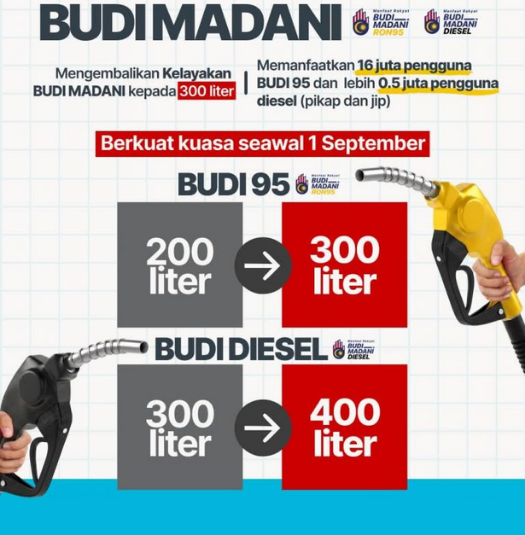
300-Litre Quota Enforcement: The Malaysian government officially rolled out a 300-litre monthly limit on subsidized fuel per eligible individual under the expanded BUDI MADANI program.
Commercial Tier Extensions: Eligible pickup truck, jeep, and small commercial vehicle operators locked in extended quota limits of up to 400 litres per month to insulate logistics margins.
Macroeconomic Subsidy Cushion: Economists project the refined targeted subsidy structure will prevent subsidy bill overruns, stabilizing fiscal deficit targets while maintaining consumer purchasing power.
Malaysia officially implemented its enhanced BUDI MADANI targeted fuel subsidy program, enforcing a 300-litre monthly cap on subsidized fuel for individual recipients to streamline national fiscal expenditure and eliminate cross-border leakage.
The policy shift establishes a structured tiering system that protects logistics operators, SMEs, and commercial transport users through expanded monthly allocations while redirecting untargeted subsidy funds back into public infrastructure and targeted social transfers.
With commercial logistics fleets securing higher quota allocations, domestic supply chain managers face predictable fuel cost overheads entering the final quarter of the fiscal year.
The Data / News Breakdown
300-Litre Individual Monthly Cap: Eligible individual vehicle owners receive up to 300 litres of subsidized fuel per month via the digital BUDI MADANI tracking mechanism.
400-Litre Commercial Allocation: Commercial pickups, small logistics jeeps, and primary sector transport vehicles qualify for expanded monthly limits of up to 400 litres.
0.6% GDP Subsidy Buffer: Institutional research notes that managing fuel quotas prevents projected fiscal slippage, keeping national debt-to-GDP targets on a structural consolidation path.
Digital Fleet Verification: Fleet management cards and MyKad integration ensure real-time tracking across petrol stations nationwide, preventing unauthorized commercial hoarding.
What This Means for the Bottom Line
1. Logistics and Last-Mile Delivery Operators Preserve Operational Margins
Higher quota limits of 400 litres for commercial vehicles cushion logistics SMEs and last-mile delivery providers from sudden fuel cost spikes. Fleet operators maintaining verified digital registry profiles avoid immediate price surcharges, protecting freight rates across domestic distribution routes.
2. FMCG Distributors face Input Cost Stability Across Supply Chains
By preventing unhedged fuel cost increases across commercial transport networks, consumer goods distributors avoid immediate cost-pass-through pressure on retail inventory. SMEs operating in competitive consumer markets gain short-term pricing predictability.
3. Sovereign Fiscal Health Strengthens Sovereign Credit and Ringgit Stability
Directing fuel subsidies toward verified users reduces structural government expenditure, reinforcing sovereign fiscal deficit targets. Lower state subsidy outlays provide underlying structural support for national credit ratings and Ringgit-denominated corporate debt stability.
The TopBusiness Bottom Line
Strict enforcement of targeted fuel quotas stabilizes national fiscal buffers while insulating commercial logistics operators from unexpected operating cost spikes.
Bored while fueling your Budi 300? Read the latest business news site.