Summary
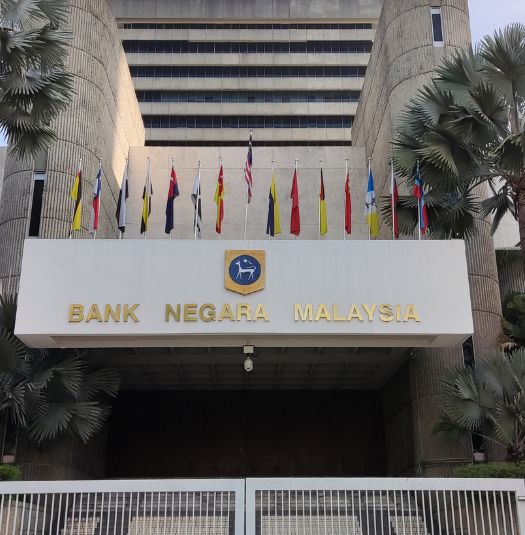
Bank Negara Malaysia (BNM) maintained the Overnight Policy Rate (OPR) at 2.75% for the seventh consecutive meeting, projecting full-year 2026 growth around 5%.
Federation of Malaysian Manufacturers (FMM) business condition index reveals 63% of manufacturers expect further production cost spikes, driving the production cost index to 156 points.
Malaysia and Thailand remain on track to meet their US$30 billion bilateral trade target by 2027, provided cross-border product documentation bottlenecks are resolved.
Bank Negara Malaysia’s decision to hold benchmark interest rates steady at 2.75% offers borrowing predictability to corporate balance sheets, even as manufacturing survey data and Q2 earnings highlight mounting cost inflation across local operations.
The Data / News Breakdown
2.75% OPR Pause: BNM’s Monetary Policy Committee held rates unchanged, citing strong H1 GDP momentum (6.0% in Q2) while projecting full-year 2026 growth to track around 5% with contained headline inflation averaging 1.8%.
156 Production Cost Index: The FMM Business Conditions Survey reported a sharp cost index reading of 156 points, with 63% of industrial respondents anticipating further input and operating cost hikes into late 2026.
US$30 Billion Trade Target: Bilateral trade volume between Malaysia and Thailand continues momentum toward its US$30 billion target, though non-tariff documentation hurdles in agricultural and manufactured exports remain key friction points.
Q2 Corporate Earnings Mixed: Corporate 2Q26 results showed resilient beats in tech and auto sectors, while consumer-facing and glove manufacturing names suffered margin compressions on soft local demand and elevated raw material costs.
What This Means for the Bottom Line
1. Capital Allocation Adjustments
A steady OPR allows corporate CFOs and SME founders to freeze debt-servicing cost projections for Q4, but elevated production cost expectations mean capital expenditure must focus on automation rather than aggressive capacity expansion.
2. Consumer Sector Margin Disparity
The divergence in 2Q26 corporate performance shows tech exporters passing through strength to top lines, while consumer-facing businesses face margin squeezes as sticky overheads collide with cautious household purchasing power.
3. Cross-Border Supply Chain Efficiency
Reaching regional trade milestones with Thailand requires logistics operators and exporters to streamline regulatory compliance, as documentation delays risk tying up working capital at border checkpoints.
The TopBusiness Bottom Line
Monetary stability gives business owners a clear borrowing anchor, but surviving Q4 requires aggressively trimming operational overheads as input costs continue to outpace selling price adjustments.
Stay ahead of the market curve daily with TopBusiness, Malaysia’s premier business and trade news site.